Florist guide for Seven Dials weddings and events
Posted on 06/10/2026
If you are planning flowers for a Seven Dials wedding or event, you already know the area has its own rhythm. It is elegant without trying too hard, busy but characterful, and full of venues where the details really matter. That is exactly why a thoughtful florist guide for Seven Dials weddings and events can save you time, money, and a few headaches along the way.
Whether you are organising a small ceremony, a restaurant reception, a private dinner, or a brand event in the Covent Garden area, the floral choices need to work hard. They should look beautiful up close, hold up in a lively setting, suit the space, and still feel like you. In this guide, we will walk through what matters, how the process works, and how to choose flowers that feel polished rather than overdone.
There is a lot to think about, to be fair. But once you break it down, the decisions become much easier.
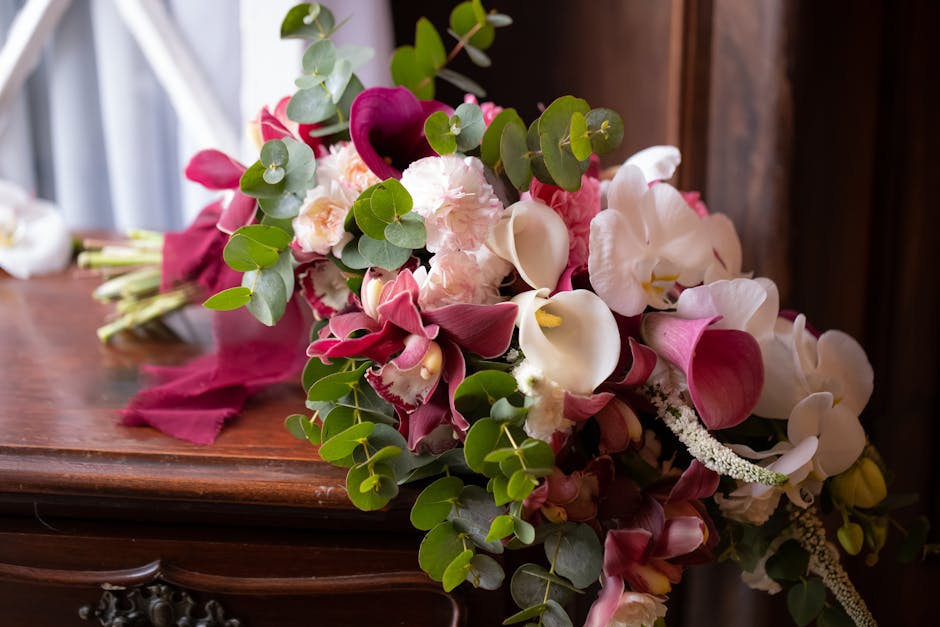
Why Florist guide for Seven Dials weddings and events Matters
Seven Dials sits in one of London's most design-conscious pockets, which means flowers are rarely just "decor". They are part of the visual language of the day. In a narrow townhouse dining room, a boutique hotel lobby, or a venue with lots of footfall nearby, the wrong floral scale can feel cluttered. The right one can make a space feel intentional, calm, and quietly luxurious.
This matters even more for weddings, where flowers often need to do several jobs at once. They have to support the ceremony styling, look good in photographs, fit the venue's access rules, and maybe be reused later for the reception. For events, flowers can guide the mood: soft and welcoming for a drinks reception, structured and polished for a launch, or warm and abundant for a celebration dinner.
There is also a practical Seven Dials angle. The area can be lively, with tight timings, delivery constraints, and venue access that does not always make life easy. A florist who understands that environment can plan around it. That sounds obvious, but in real life it makes a big difference.
Expert summary: The best Seven Dials floral plans balance style, timing, and space. When those three things are aligned, everything else becomes easier - from set-up to photography to guest experience.
How Florist guide for Seven Dials weddings and events Works
A good florist process starts with the setting, not the stems. First comes the venue, then the practical brief, then the palette, and only after that do you narrow down the actual flowers. That order matters because Seven Dials spaces vary so much. A candlelit restaurant table needs something very different from a ceremony arch, and a staircase installation needs different mechanics again.
In practice, the florist will usually consider:
- The venue layout and where flowers will be seen from.
- The event timing, including delivery windows and how long flowers need to last.
- The season, which affects both availability and style.
- The colour palette, especially if it needs to work with existing interiors.
- The level of formality, from relaxed and natural to tailored and refined.
For weddings, the process often includes bridal bouquets, bridesmaid bouquets, buttonholes, ceremony flowers, table arrangements, and sometimes larger statement pieces. For events, the focus may be on podium arrangements, entrance flowers, table centres, or something more experiential like a photo backdrop or branded floral moment.
If you are browsing options online, it helps to look at the broader wedding range first, then refine by individual pieces. For example, wedding collections can give you a feel for the style direction, while specific items such as bridal bouquets or table arrangements help you think in practical layers rather than one big floral idea.
Key Benefits and Practical Advantages
The obvious benefit is that flowers look beautiful. But honestly, that is only the start. The real value comes from how they shape the experience of the day.
- They unify the event design. Good flowers connect the dress, venue, stationery, and lighting so the whole thing feels coherent.
- They improve photographs. A well-placed bouquet or centrepiece adds depth, colour, and softness on camera.
- They can change the mood of a room. Even a modest arrangement can make a small space feel more polished and welcoming.
- They help guide movement. Entrance flowers, aisle pieces, and table centres can naturally draw guests where they need to go.
- They can work within a budget. You do not always need huge quantities. A few well-chosen arrangements often do more than a room full of average ones.
There is also a psychological benefit that people underestimate. Flowers signal care. Guests notice that, even if they cannot quite say why. The room feels looked after. It feels finished. That little shift matters.
If budget is a concern, you may want to compare styles carefully. Some couples prefer something elegant but economical, while others want a more lavish impact in fewer places. A useful starting point is to explore options like luxury flowers alongside budget-friendly options to understand where the visual value really sits.
Who This Is For and When It Makes Sense
This guide is for anyone planning flowers in or around Seven Dials who wants the result to feel considered rather than improvised. That includes couples planning a wedding, event organisers, private hosts, venue coordinators, and even businesses putting on a launch or client evening.
It makes sense if you are:
- planning a wedding with a limited setup window;
- hosting an event in a venue with strict access times;
- trying to match flowers to an existing colour scheme;
- working around a compact space where scale matters;
- hoping to reuse ceremony flowers for the reception;
- needing flowers that photograph well without looking staged.
It also makes sense if you are not sure where to start. That is more common than people admit. You may know you want "white and green" or "soft romantic tones", but not yet know whether that means roses, lisianthus, orchids, or something else altogether. That is fine. A good florist turns a vague idea into a workable brief.
For couples, browsing related wedding items can help the planning process feel less abstract. Pieces like buttonholes and bridesmaid bouquets can be surprisingly useful as reference points, because they clarify proportion and colour before the larger decisions are finalised.
Step-by-Step Guidance
Here is the simplest way to approach floral planning for a Seven Dials wedding or event without getting overwhelmed.
1. Start with the venue and the guest experience
Ask yourself where flowers will actually be seen. At the entrance? On long tables? At the ceremony backdrop? Around a bar or stage? In a compact venue, flowers have to earn their keep. A good arrangement is not just decorative; it directs attention.
2. Fix the non-negotiables first
Before talking about peonies or roses, define the date, venue access times, guest numbers, and any must-have colours. If you are planning around a summer weekend with back-to-back room use, the timing may matter more than the flower type. That can feel a bit unglamorous, but it saves stress later.
3. Choose a floral style that suits the space
Seven Dials venues often work best with flowers that feel edited. Think elegant, airy, and well-proportioned rather than overly fussy. A tiny table arrangement in a busy restaurant should not block conversation. A ceremony bouquet should feel balanced in the hand, not heavy or awkward. Simple enough? Maybe. But easy to get wrong.
4. Match flowers to function
Different pieces need different qualities. Bridal bouquets need comfort and visual impact. Table flowers need height control and durability. Buttonholes need strength and neat finishing. Event pieces may need structural support and predictable longevity.
For practical planning, it helps to compare the most common wedding pieces side by side:
| Flower piece | Main purpose | Best for | Common planning note |
|---|---|---|---|
| Bridal bouquet | Centrepiece for the bride | Ceremony and photos | Keep it balanced and comfortable to hold |
| Bridesmaid bouquet | Coordinates the bridal look | Procession and portraits | Slightly smaller than the bridal bouquet |
| Buttonhole | Polished detail for groom and party | Close-up finishing touches | Needs secure, tidy construction |
| Table arrangement | Shapes the room atmosphere | Dining and reception spaces | Watch height so guests can talk easily |
5. Decide on the palette with the venue in mind
In a Seven Dials setting, flowers that echo the venue's textures often work best. Soft whites and greens can feel fresh and architectural. Blush, peach, and champagne tones bring warmth. Rich reds, berries, and burgundy lean more dramatic and intimate. If the room already has strong wallpaper or moody lighting, you may want flowers that breathe a bit rather than compete.
6. Build in a backup plan
Floristry is creative, yes, but it is also logistics. A venue delay, transport issue, or temperature change can affect flowers more than people expect. A realistic plan includes flexible timing and sensible substitutions if a specific stem becomes unavailable. That is not a flaw; it is just how the trade works.
7. Confirm delivery, set-up, and clear-down
One of the most overlooked parts of the process is what happens after flowers arrive. Will the florist place them, style them, and return later to collect vessels? Or do you need arrangements that can stay in place until the venue team handles them? Ask early. It saves awkward last-minute conversations, and a bit of panic, let's face it.
Expert Tips for Better Results
After years of looking at what works in real venues, a few patterns stand out. The best floral plans are usually not the most complicated ones.
- Use one clear focal point. If everything is trying to be the main event, nothing really lands.
- Repeat a few elements. Repeating a flower or colour across bouquets, buttonholes, and tables helps the design feel intentional.
- Choose stems that suit the season. Seasonal flowers usually perform better and tend to look more natural in the setting.
- Mind the table conversation line. Tall flowers can be gorgeous, but not if guests have to lean around them all evening.
- Think about fragrance. In smaller indoor spaces, a strongly scented flower can be lovely or overpowering. Depends on the room.
One thing clients often appreciate is a restrained palette with texture. Think roses, lisianthus, hydrangea, orchids, or mixed foliage arranged in a way that feels layered rather than busy. If you are leaning toward softer romance, browsing flowers like roses, lilies, or a mixed approach such as mixed colours can help refine the brief.
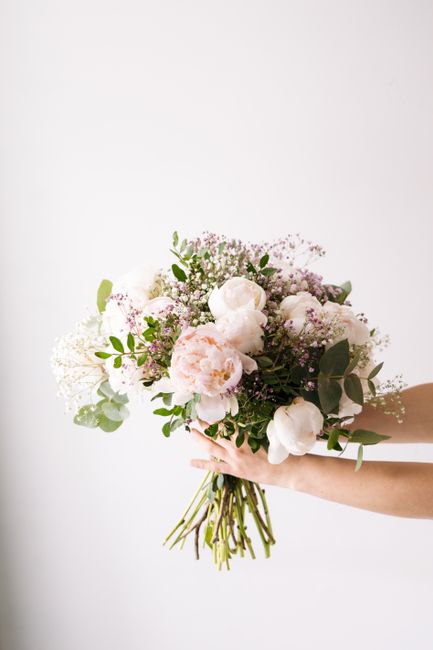
And here is a very human tip: bring one reference image you genuinely like, not ten. Ten images tend to muddy the water. One good image gives the florist something to respond to.
Common Mistakes to Avoid
Some floral problems are easy to spot only after the event. Better to avoid them before they turn into a "we should have..." conversation.
- Choosing flowers before confirming venue constraints. Beautiful flowers can still fail if the space is too tight or the access is awkward.
- Ignoring scale. Tiny arrangements can disappear in a large room; oversized pieces can dominate a small one.
- Overloading the colour palette. Too many competing shades can make a design feel restless.
- Forgetting transport and timing. Fresh flowers need careful handling, especially in warm weather or during a packed London schedule.
- Not planning reuse. Ceremony flowers can often be repurposed later, but only if that is planned from the beginning.
- Leaving buttons, corsages, and small details to the end. These little pieces are easy to forget and surprisingly important to the finished look.
A very common one? People see the bridal bouquet first and then assume everything else will sort itself out. It rarely does. The bouquet is just one part of a bigger visual system.
Tools, Resources and Recommendations
You do not need fancy software to plan flowers well, though a little organisation helps. A simple checklist, a mood board, and one clear schedule go a long way. If you are planning a wedding, it is useful to keep all floral references in one place alongside venue notes, dress details, and table plans.
For practical product research, these can be helpful starting points:
- florist choice options if you want professional creativity with less decision fatigue;
- white wedding collections for clean, classic styling;
- soft romantic wedding collections when you want something elegant but not overly formal;
- more structured wedding collections for a polished and composed look.
If you are working to a tighter budget, it can help to focus on the pieces that create the biggest visual return: bridal bouquet, ceremony focal point, and table arrangements. Small decorative extras are lovely, but they should never come at the expense of the core design.
And yes, sometimes the best resource is simply a straight conversation with a florist who understands the area and the pace of London events. That saves time in ways a template never will.
Law, Compliance, Standards, or Best Practice
For weddings and events in Seven Dials, the main considerations are usually practical best practice rather than complex legal issues. Still, there are a few things to keep in mind.
First, venues may have their own access rules, insurance requirements, loading instructions, or restrictions on open flame, hanging installations, or wet floral mechanics. Always check with the venue early. If your florist needs to install flowers in a stairwell, courtyard, or shared space, the venue may require specific timings or methods.
Second, flowers should be handled in a way that protects guests and staff. That includes secure placement, stable vessels, and tidy walkways. Nobody wants a trailing stem or a toppled arrangement near a busy dinner table.
Third, if you are using candles with flowers, the venue's own safety rules matter. The florist can advise on spacing and design, but the final decision often sits with the venue and event organiser.
For everyday expectations, good floristry best practice also includes freshness, clean conditioning, accurate presentation, and clear communication about substitutions. If a florist uses different stems from the original brief, that should be handled transparently. It is simply good practice.
Finally, if sustainability matters to you, ask how arrangements are sourced, transported, and disposed of after the event. Many couples and planners now prefer designs that reduce waste or reuse flowers across the day. Small choices add up.
Options, Methods, or Comparison Table
Choosing the right floral approach often comes down to balancing impact, budget, and logistics. Here is a simple comparison of common methods for Seven Dials weddings and events.
| Approach | Best for | Pros | Trade-offs |
|---|---|---|---|
| Minimal arrangements | Intimate venues, small budgets, modern styling | Clean, elegant, easy to place | May feel understated in larger rooms |
| Statement pieces | Entrances, ceremony backdrops, launches | High visual impact, strong photographs | Needs more planning, transport, and set-up care |
| Layered styling | Weddings with multiple spaces | Creates a seamless look across the day | Can cost more if every area is fully dressed |
| Florist's choice | Flexible couples and quick-turnaround events | Efficient, often more cohesive | Less control over exact blooms |
In many Seven Dials settings, layered styling is the sweet spot. You do not have to cover every surface. You just need the right combinations in the right places. A bouquet here, a centrepiece there, perhaps a focal display near the entrance. That can be enough to make the whole event feel elevated.
Case Study or Real-World Example
Picture a small wedding reception near Seven Dials: twenty-eight guests, one dining room, a short ceremony beforehand, and a tight changeover between lunch and dinner. The couple wants something romantic but not sugary. They also want flowers that do not block conversation or overwhelm the table setting.
Instead of spreading the budget thinly across lots of tiny details, the florist focuses on three key areas. The bridal bouquet gets the most texture and softness. The ceremony area receives a single polished focal arrangement. The tables use low arrangements in repeating colours so the room feels connected without getting crowded.
The result is calm and cohesive. Guests can see each other properly, the room photographs beautifully, and the couple still has enough floral presence to make the day feel special. The flowers do not shout. They support the occasion. That is usually the sign of good work.
For a larger event, the same logic applies in a different shape. A launch evening may need one strong entrance moment, subtle bar styling, and table or stage flowers that reinforce the brand colours. It is less about abundance and more about confidence. Simple, but not plain.
Practical Checklist
Use this checklist to keep your floral planning on track.
- Confirm the venue name, room layout, and access times.
- Decide which areas must have flowers and which can stay minimal.
- Set your overall colour palette and style direction.
- Choose whether you want seasonal stems, statement flowers, or a florist-led selection.
- Check if arrangements need to move from ceremony to reception.
- List any fragrance sensitivities or venue restrictions.
- Confirm delivery, installation, and collection timings.
- Review bouquet sizes, buttonholes, and table heights.
- Ask how substitutions will be handled if a flower is unavailable.
- Keep a single reference board or note for all floral decisions.
If you have ticked those off, you are already ahead of most people. Honestly, that is half the battle.
Conclusion
A well-planned florist approach for Seven Dials weddings and events is not about piling on more flowers. It is about choosing the right flowers, in the right places, at the right time. That is what makes the day feel effortless, even though a great deal of thought has gone into it behind the scenes.
The best results usually come from a clear brief, a realistic understanding of the venue, and a florist who knows how to balance beauty with logistics. Once those pieces line up, the whole event feels calmer, more coherent, and much more memorable. And yes, the photos usually thank you too.
If you are still shaping your ideas, start with the key pieces, keep the palette focused, and build from there. You do not need to have every answer today. Flowers have a way of coming together once the basics are right.
Get a free quote today and see how much you can save.
Frequently Asked Questions
What flowers work best for a Seven Dials wedding?
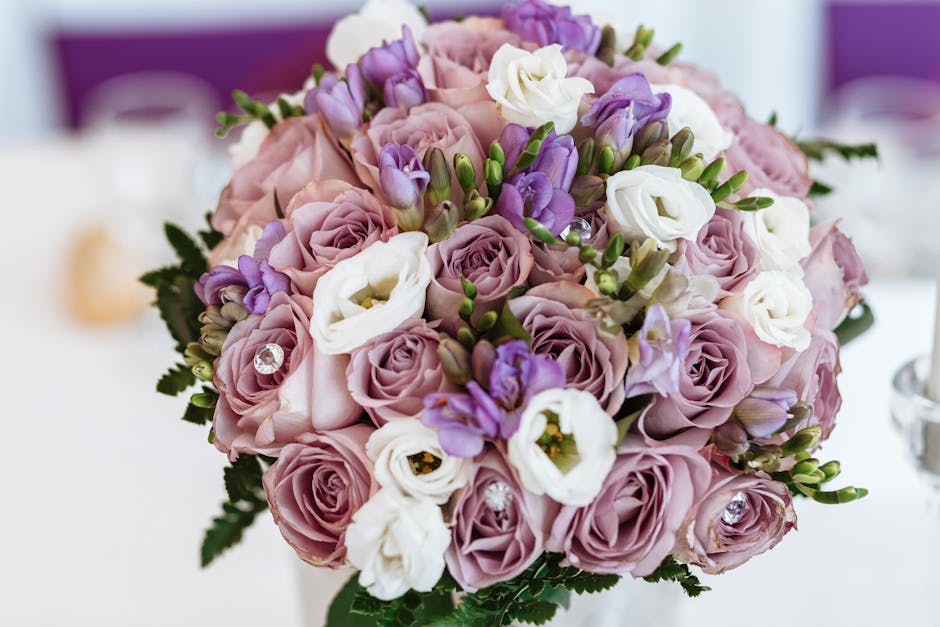
There is no single best flower, but roses, lisianthus, hydrangea, orchids, and seasonal mixed stems often work well because they can feel elegant without being too heavy. The venue, season, and colour palette matter just as much as the flower itself.
How far in advance should I book a florist for a Seven Dials event?
For weddings, the earlier the better. Popular dates can book up quickly, and good planning gives you more choice on style and timing. For smaller events, you may be able to arrange flowers later, but leaving it until the last minute limits your options.
Can flowers be reused from the ceremony to the reception?
Yes, often they can. Many couples move aisle arrangements, altar flowers, or statement pieces into the reception space. The florist should plan for this in advance so the flowers are designed and placed with reuse in mind.
What should I bring to my florist consultation?
Bring your venue details, date, guest numbers, colour ideas, dress or outfit references if relevant, and any images you like. One strong reference is better than a dozen mixed ones. It helps the florist understand your taste much faster.
How do I keep flowers from blocking conversation at dinner?
Choose low arrangements for dining tables or ask for taller designs only where the table layout allows it. In smaller Seven Dials venues, low and airy tends to be safest. You want the room to feel dressed, not crowded.
Are florist choice arrangements a good idea for weddings?
They can be, especially if you trust the florist's style and want a cohesive result without micromanaging every stem. They are also useful when you want the best seasonal value. If you have a very specific vision, you may prefer more custom control.
What is the difference between a bridal bouquet and a bridesmaid bouquet?
A bridal bouquet is usually the main floral piece and is designed to stand out. Bridesmaid bouquets are smaller or slightly simpler so they support the overall look without competing with the bride's flowers.
How do I choose flowers that suit a small venue?
In smaller venues, scale and proportion matter more than volume. Look for arrangements that add softness without taking over the room. Compact table pieces, one strong focal point, and a restrained palette usually work well.
Can I request specific flowers if they are out of season?
You can ask, but availability may be limited or the stems may be more expensive or less reliable. A good florist will usually suggest alternatives that give a similar feel while working better with the season.
What are the most common mistakes people make with event flowers?
The most common mistakes are forgetting venue restrictions, choosing arrangements that are too large for the space, and leaving delivery timing too late. Another easy one to miss is ignoring how the flowers will look in photos, not just in person.
Do I need separate flowers for the ceremony and reception?
Not always. Many couples use one design plan across both spaces, especially if the florist can repurpose arrangements during the day. If the venue changes atmosphere significantly between ceremony and dinner, separate styling may make more sense.
How can I make flowers feel more luxurious without overspending?
Focus on key touchpoints rather than filling every corner. A strong bouquet, a polished table design, and one or two statement arrangements can feel more luxurious than many small pieces. Good placement and colour discipline go a long way.
Is it worth choosing seasonal flowers for a Seven Dials event?
Usually, yes. Seasonal flowers often look fresher, suit the time of year more naturally, and can offer better value. They also tend to feel less forced in the final design, which matters when you want the event to feel effortless.
What should I ask about delivery and setup?
Ask when the flowers will arrive, who will place them, how long setup takes, and whether any items need to be collected later. In busy London areas, those details matter more than people think. A clear plan keeps the day running smoothly.